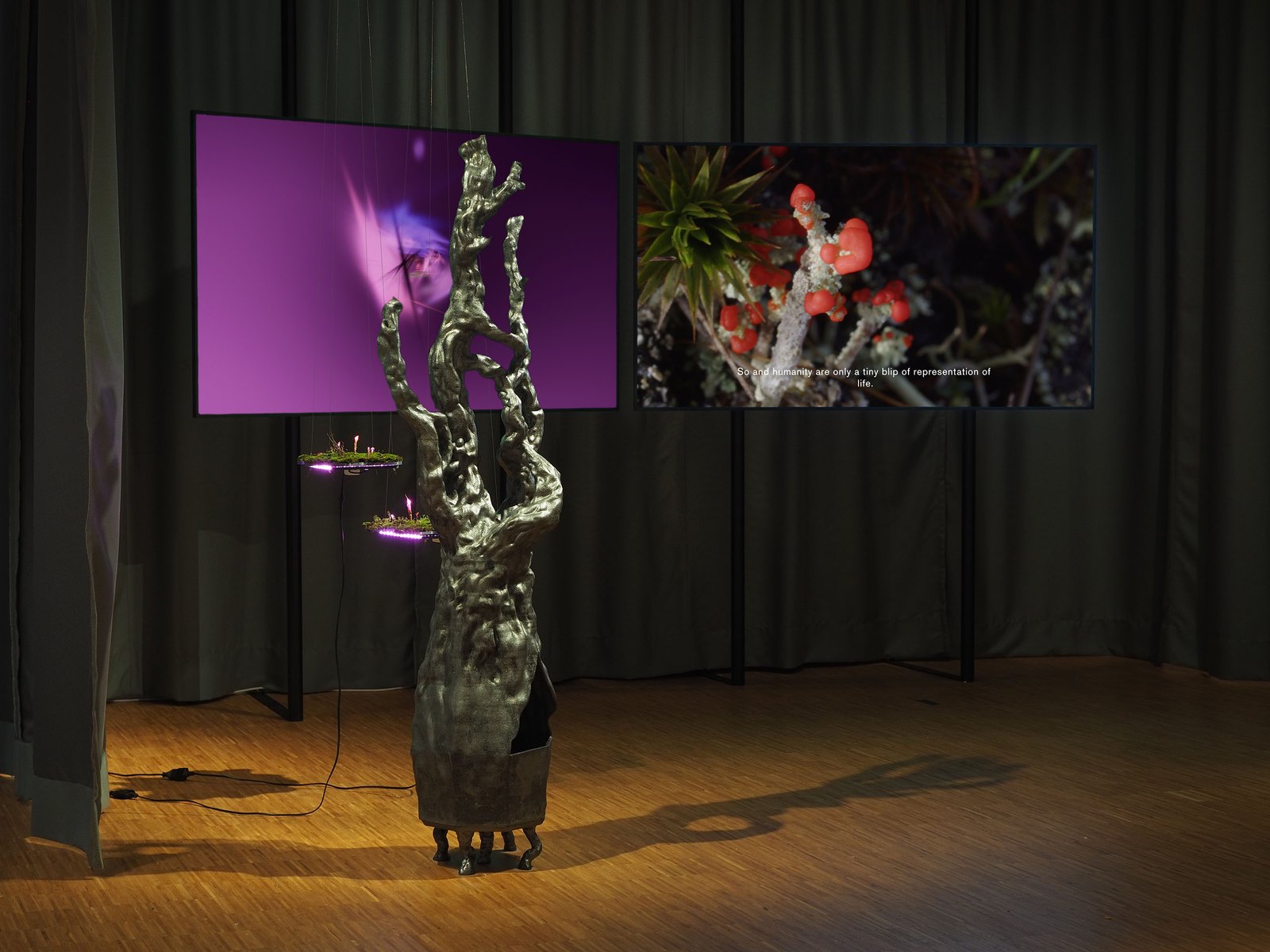
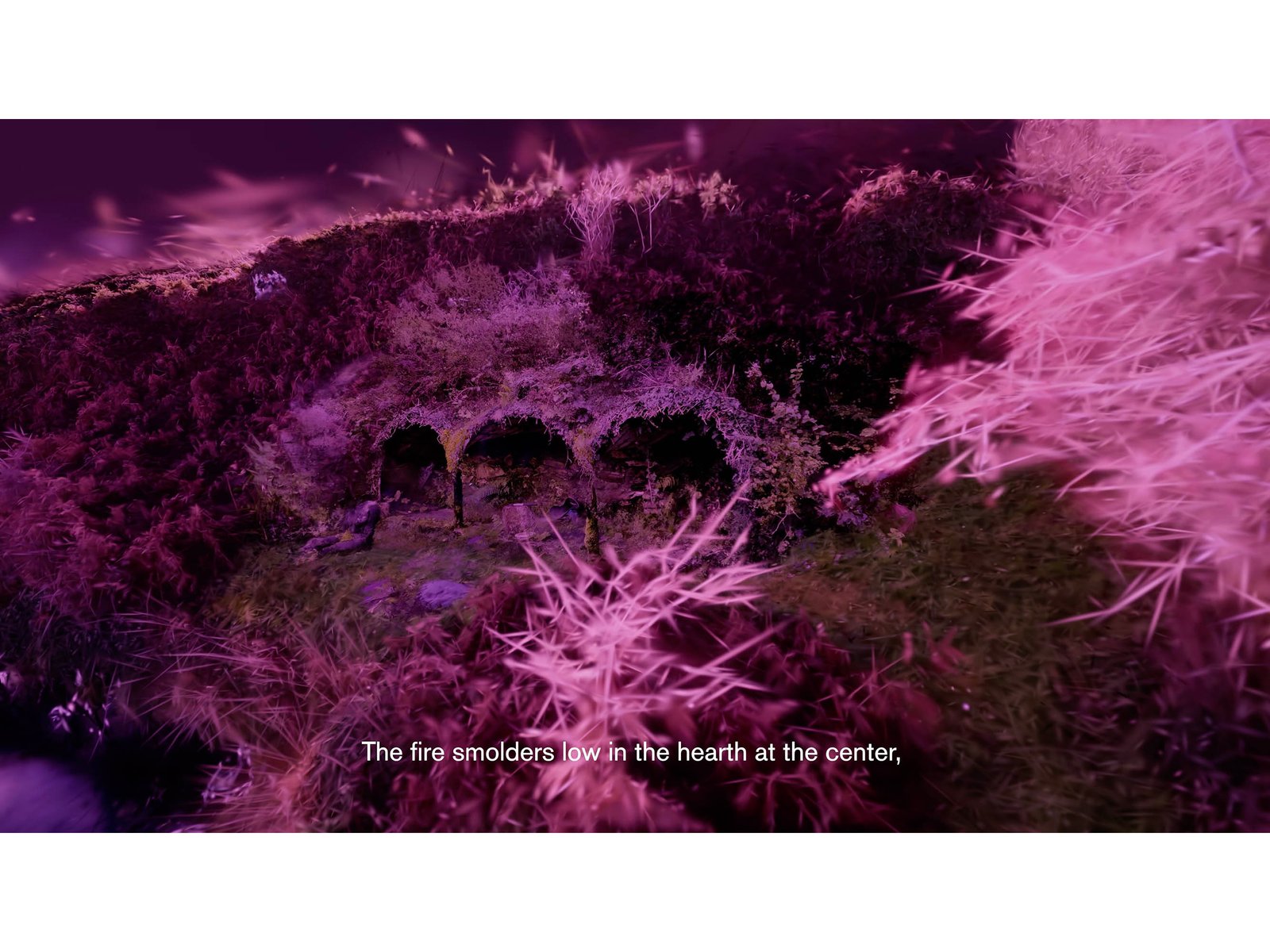
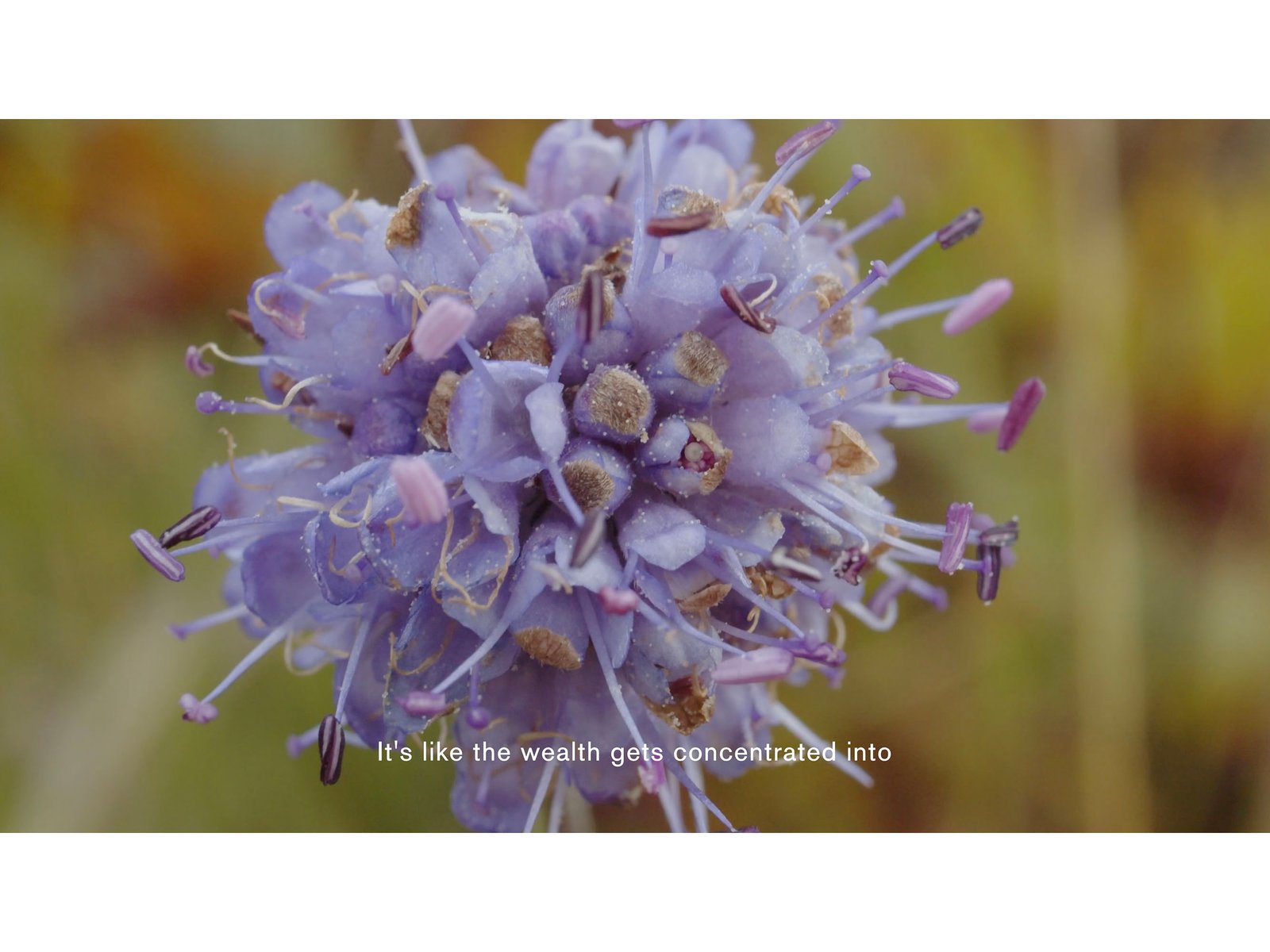
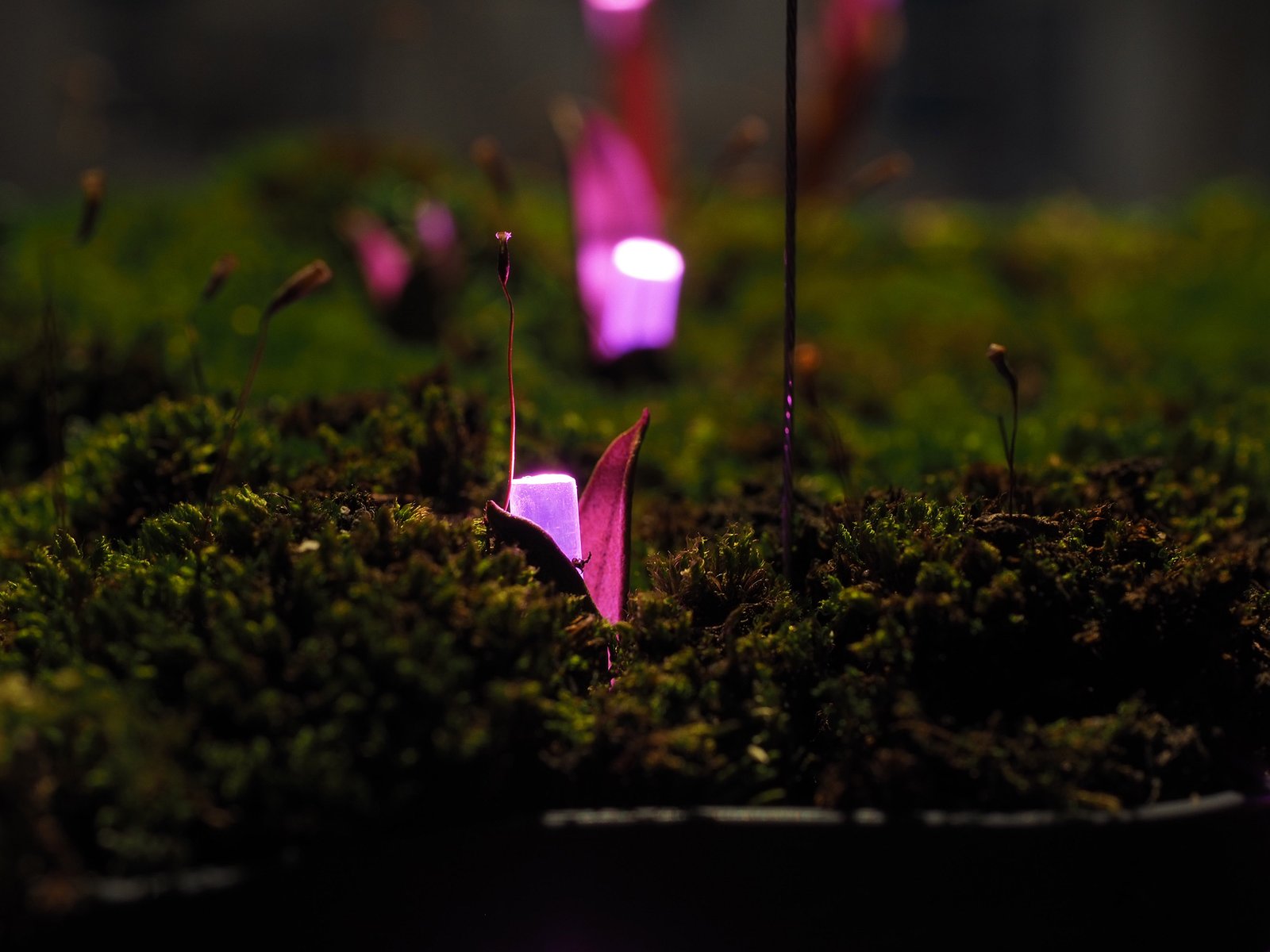
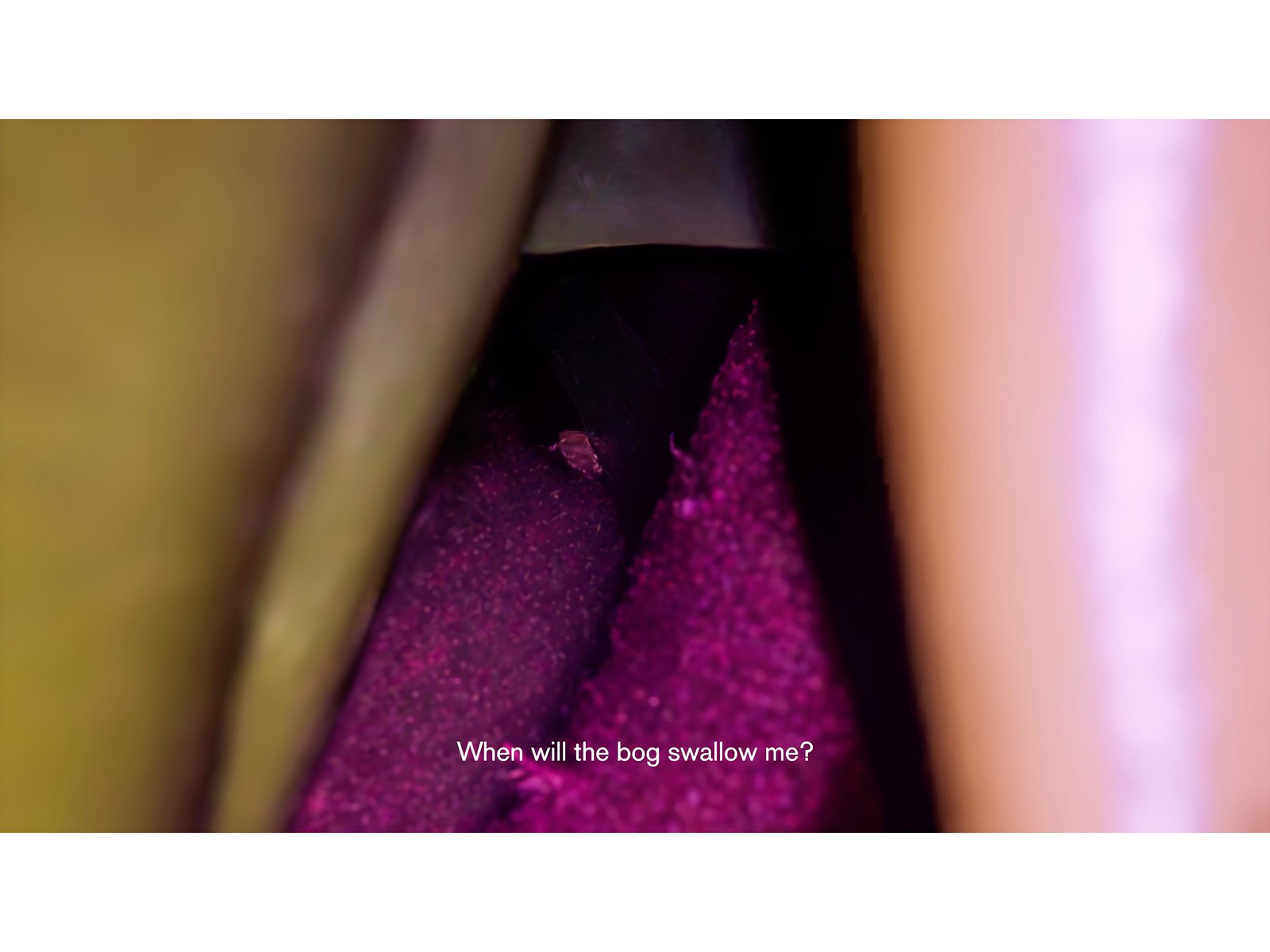
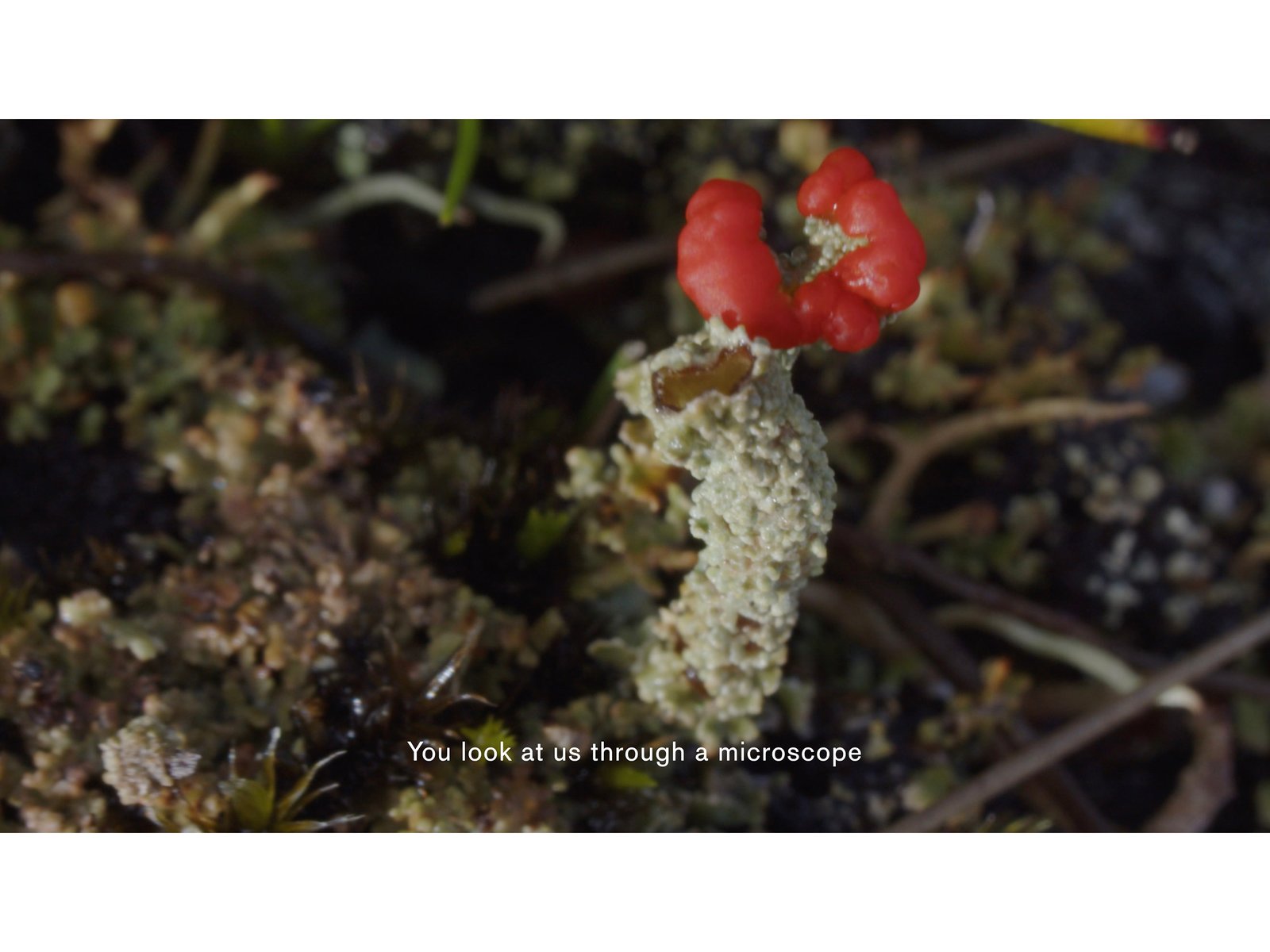
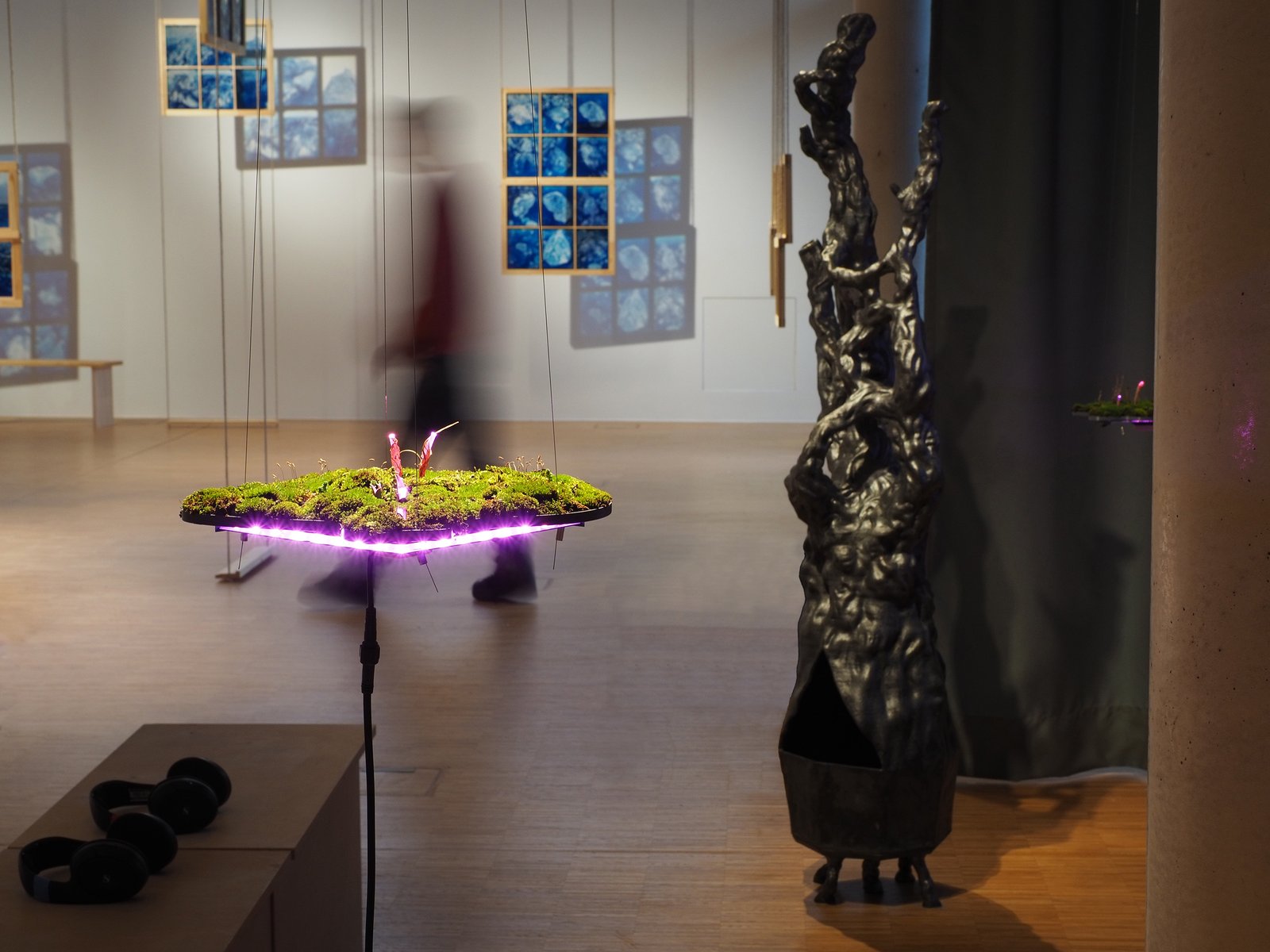
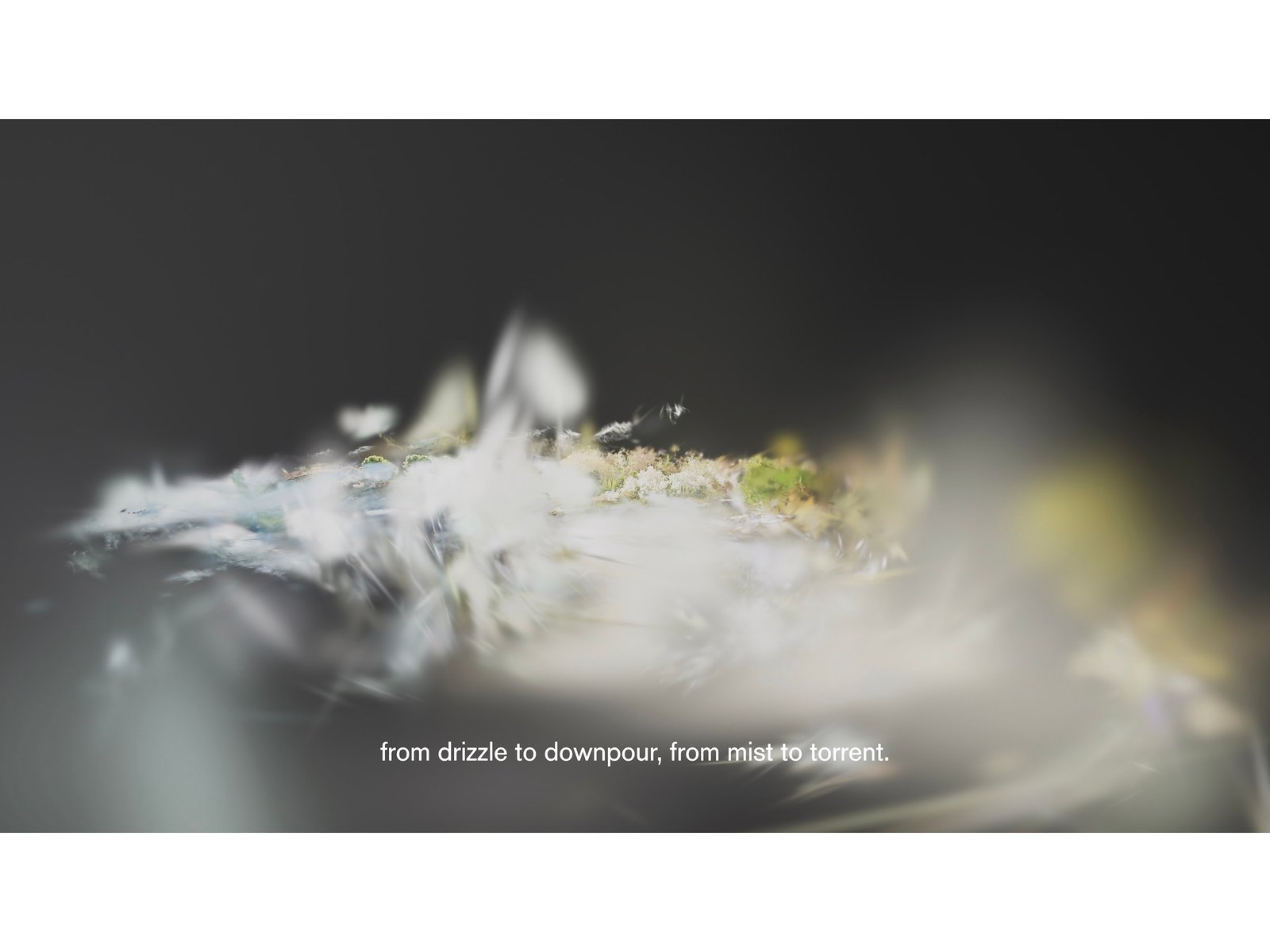
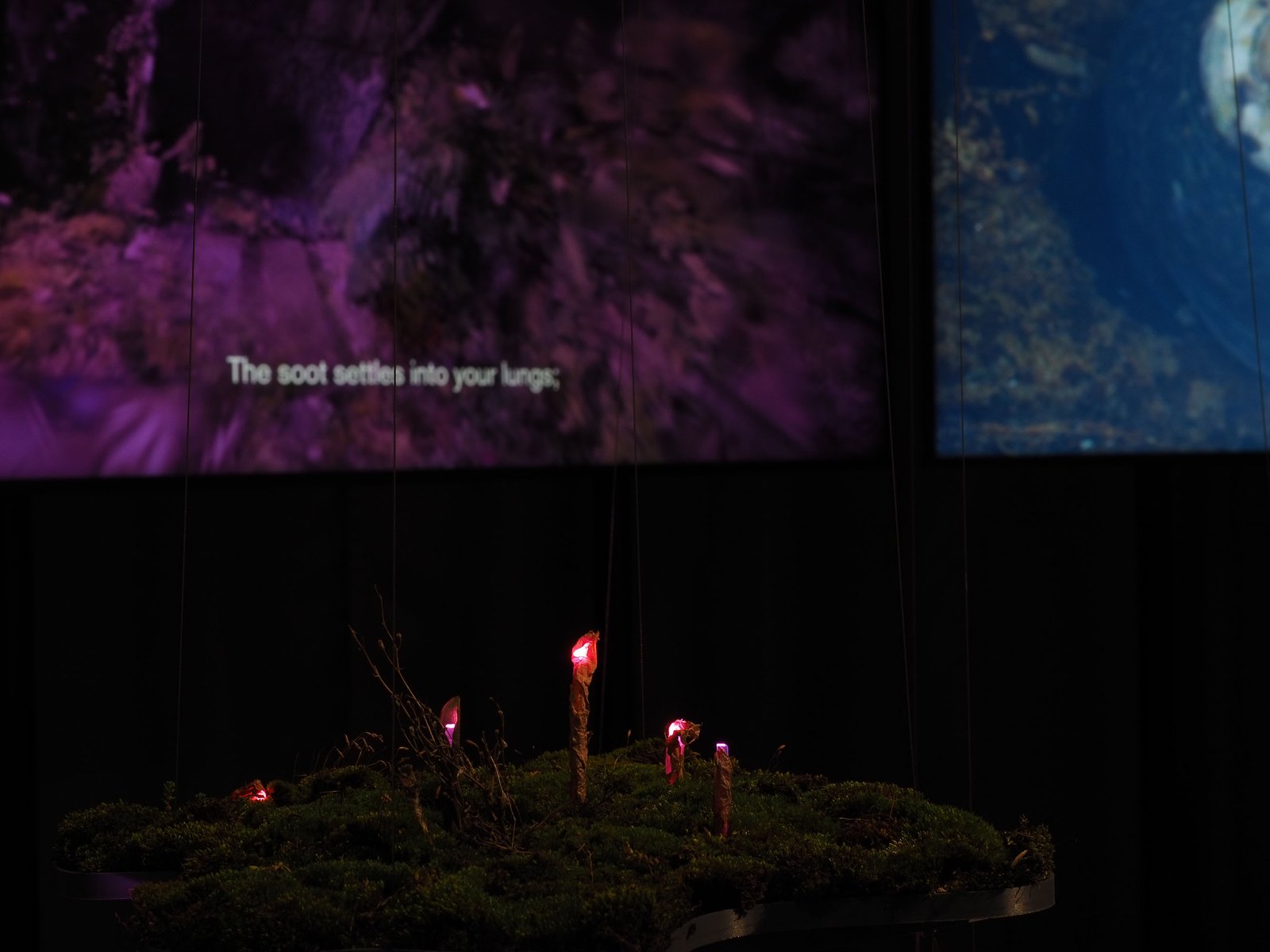
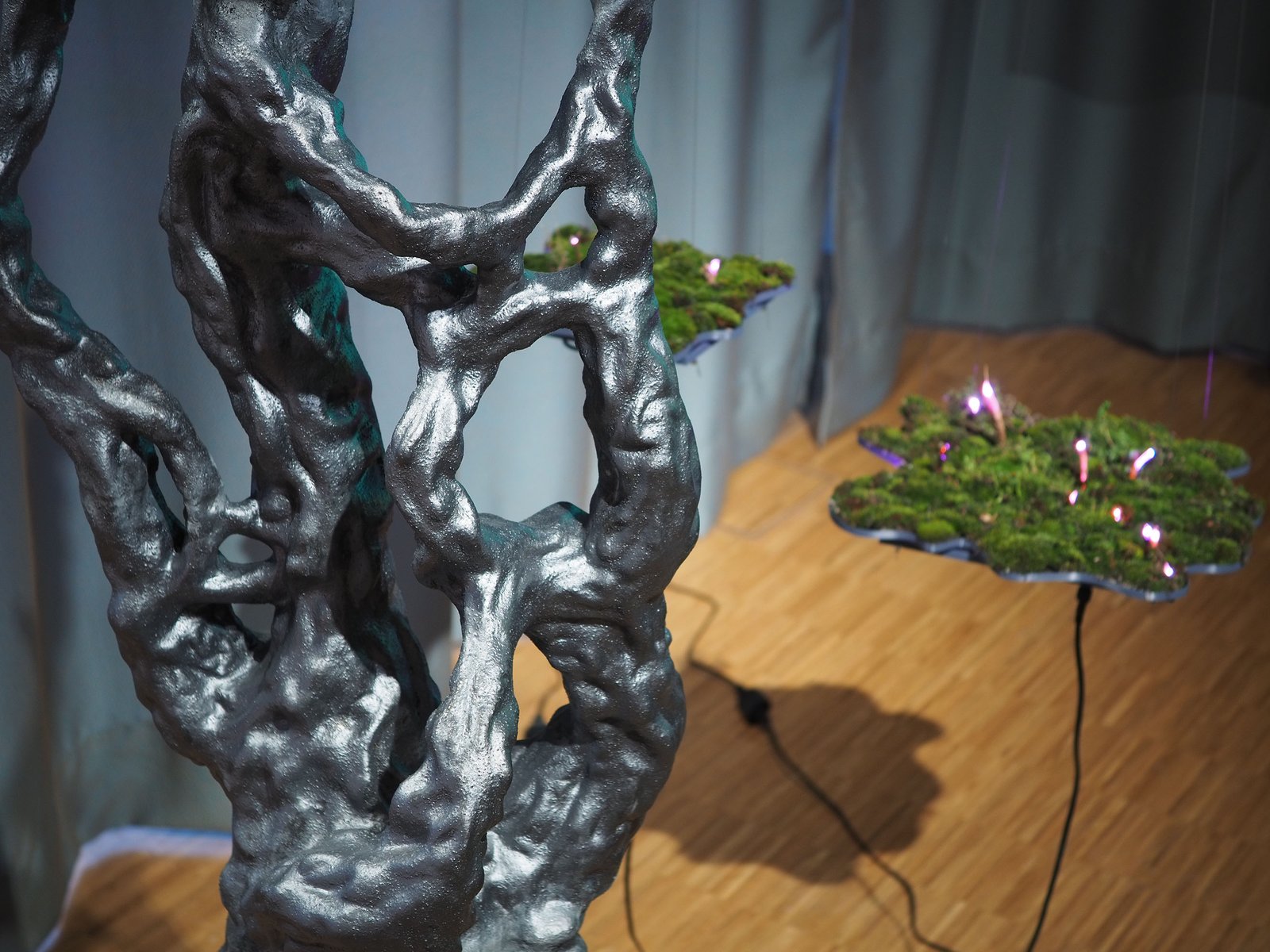
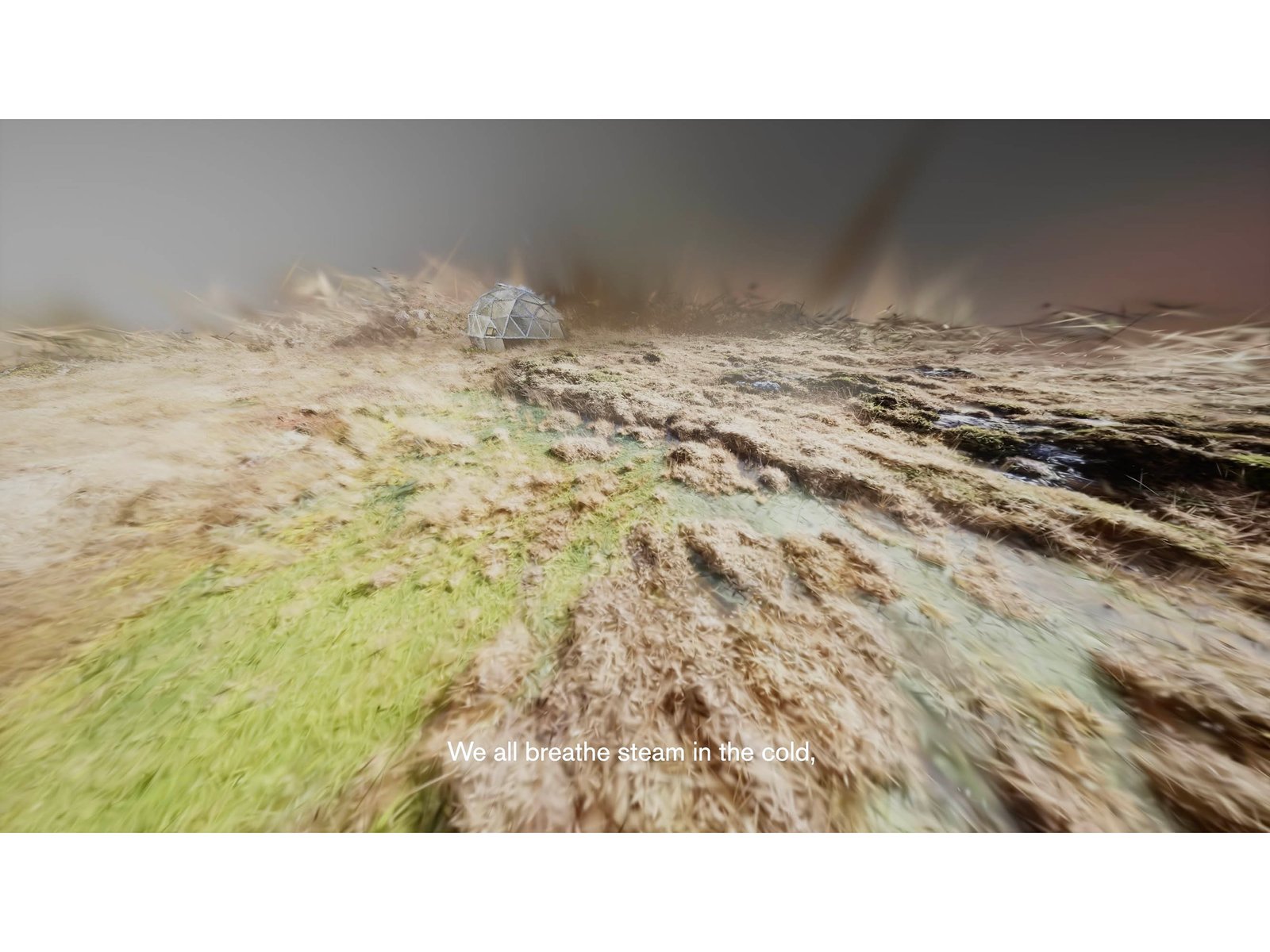
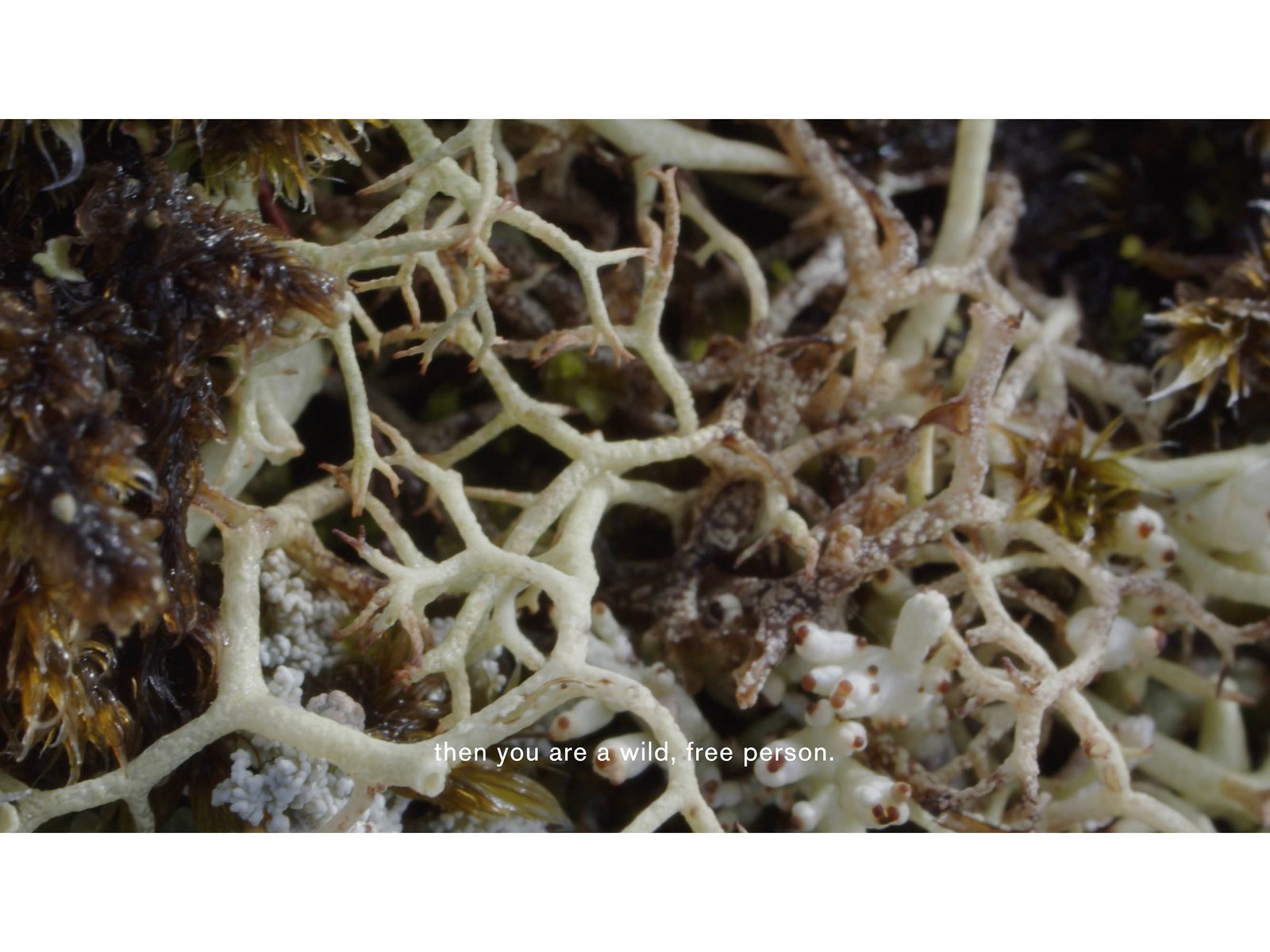
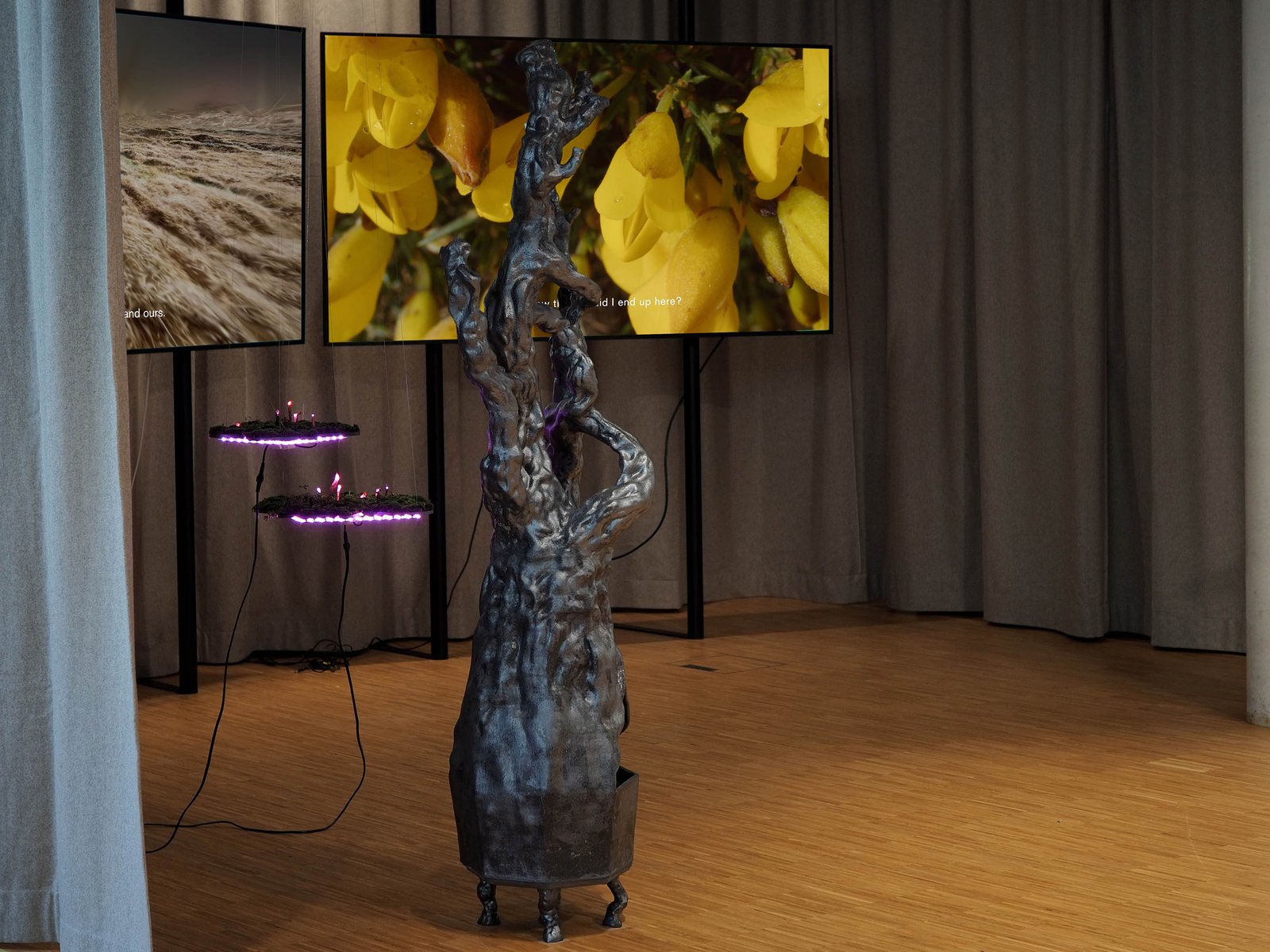
Glenkeen Variations, Crespo foundation, Frankfurt, Germany, 2026
in collaboration with Roberto Aparicio Ronda


IJsselbiënnale, Dieren, the Netherlands, 2025
in collaboration with Roberto Aparicio Ronda, performance by Asako Iwama, photos by Titus Reith


Kunstverein Arnsberg, Germany, 2025
in collaboration with Roberto Aparicio Ronda, photos by Michel Ptasinski


Archeological site of Klarewal, Alveringem, Belgium, 2025
in collaboration with Roberto Aparicio Ronda, photos by Jeroen Verrecht


Festival of Future Nows, Neue Nationalgalerie, Berlin, Germany, 2025
in collaboration with Roberto Aparicio Ronda, supported by Flanders State of the Art


Germinal, Evere, Brussels, Belgium, 2025
in collaboration with Roberto Aparicio Ronda


Gouden Boomstoet, Bruges, Belgium, 2024
in collaboration with Roberto Aparicio Ronda


STUK, Leuven, Belgium, 2023
in collaboration with Roberto Aparicio Ronda, photos by Joeri Thiry STUK


railway brigdes, Sint-Niklaas, Belgium, 2023-2024
in collaboration with Roberto Aparicio Ronda


ENE, Canada, 2022
in collaboration with Roberto Aparicio Ronda


Le Mat, France, 2022
photos by Grégory Valton


Into Nature, biennial art expedition, Drenthe, the Netherlands, 2021


Variations in Earth, Valerie Traan Gallery, Antwerp, Belgium, 2021
in collaboration with Grond Studio, photos by Cinzia Romanin


commissioned work in public space, Lommel, Belgium, 2020-2021
in collaboration with Roberto Aparicio Ronda


Niseko, Japan, 2019
in collaboration with Roberto Aparicio Ronda, photo by Yoshisato Komaki


Solo, Les Tanneries, France, 2018
photos by Aurélien Mole & Guillaume Blanc


Atelier Calder, France, 2018

Festival of Furure Nows, Hamburger Bahnhof, Museum für Gegenwart Berlin, 2017


Performance, Cadiz, Spain, 2017


Horst Arts & Music Festival, Belgium, 2016


Thread, Josef and Anni Albers Foundation, Senegal, 2016


Aalst, Belgium, 2016


Gantrisch, Switzerland, 2015


Future Nows, Neue Nationalgalerie, Berlin, 2014, Museum M, Leuven, Belgium, 2012


Grey Sheep, Berlin, 2014


Future Nows, Neue Nationalgalerie, Berlin, 2014


Passages, North Station, Brussels, 2013
-Elise Eeraerts_01.jpg "The work 'plan 4(1) (scale 1:2) – pigeon tower lo' is located in the city of Lo, next to Lo’s existing pigeon tower. Around the city of Lo many buildings have been rebuilt after being destroyed during World War I. 'plan 4(1) (scale 1:2) – pigeon tower lo' reflects the idea of reconstruction and originality through its built form as a new pigeon tower. The measurements of the octagonal ground plan of the work are equal to the interior diameter/plan of the existing pigeon tower. The grid of 'plan 4(1) (scale 1:2) – pigeon tower lo' is based on the interior of the existing pigeon tower which is divided into compartments where the pigeons nest. The work consists of wooden planks treated with a green protective coating that fades away over time. The grid is constructed with planks that are solely connected by half lap joints to create a self-supporting structure. 'plan 4(1) (scale 1:2) – pigeon tower lo' is made in collaboration with Roberto Aparicio Ronda.")
-Elise Eeraerts_02.jpg)
-Elise Eeraerts_03.jpg)
Lo-Reninge, Belgium, 2012
in collaboration with Roberto Aparicio Ronda
-Elise Eeraerts_01.jpg "'plan 4(4): (scale 1:5)' is a site-specific work made in collaboration with architect Roberto Aparicio Ronda. The work consists of about 8 tons of loam, a special type of earth. The material was first delivered and brought inside the exhibition space. The earth was rammed together into four layers on top of one another. The work is a positive volume that contains the negative volume of an octagonal prism, with a diameter of 2 meters. The positive volume is determined by the specific geometry of the exhibition space with its arcs and columns. Certain architectural elements are included in the work.")
-Elise Eeraerts_02.jpg)
-Elise Eeraerts_03.jpg)
Ghent, Belgium, 2011


Finland, 2008